Introduction
A few years ago, Kumkumadi Tailam sat quietly on pharmacy shelves and in classical texts. Today, it is all over Instagram feeds, e-commerce homepages, and clinic prescriptions. That sudden rise is not an accident; it is a clear signal that the business opportunity behind Kumkumadi Tailam is real and growing fast.
This saffron-rich liquid gold brings together two powerful forces. On one side stand thousands of years of Ayurvedic wisdom and clinical experience. On the other side are modern clean beauty expectations, where consumers ask for natural, transparent, and results-driven skincare. When founders and practitioners ask why Kumkumadi is trending and how to understand the business opportunity behind India’s viral beauty oil, the answer sits exactly at this intersection.
Yet there is a gap. Demand for Kumkumadi Tailam is rising faster than the number of genuinely authentic, quality-tested, and well-presented products. Many bottles on the market cut corners on herbs, process, or compliance. For Ayurvedic doctors, BAMS practitioners, wellness entrepreneurs, and retail owners, this gap is not a problem; it is a clear space to build a serious brand.
This article walks through that space in a practical way. It covers:
- Market dynamics and demand drivers
- Manufacturing choices and quality standards
- Regulatory needs such as AYUSH and GMP
- Distribution options across online and offline channels
- Financial numbers and basic unit economics
- Positioning ideas to stand out in a crowded category
By the end, anyone considering this segment will see how to move from liking the trend to building a sustainable, premium Kumkumadi Tailam business with long-term value.
Why Kumkumadi Tailam Is Trending: Understanding Market Dynamics And Consumer Demand
The rise of Kumkumadi Tailam is part of a wider shift toward natural skincare. Research on the Indian Ayurvedic and herbal market points to annual growth of roughly fifteen to twenty percent, with facial care as one of the fastest growing categories. Within that, Kumkumadi Tailam has become a flagship product because it fits neatly into clean beauty preferences while still feeling luxurious and traditional.
Online discovery plays a major role here. Beauty influencers, skin doctors on YouTube, and real user reviews on marketplaces have turned this classical oil into a viral favorite. Before-and-after photos, honest routines, and product comparisons give everyday buyers the kind of social proof that earlier only came from a trusted Vaidya or elder at home. E-commerce then makes it possible to order any bottle within minutes.
The core buyer is usually an urban, educated woman in the twenty five to fifty five age group with higher disposable income. She reads ingredient lists, avoids harsh chemicals, and prefers brands that talk clearly about herbs, process, and testing. The pandemic years deepened this behavior, as more people began linking immunity, mental health, and skin health under one wellness umbrella.
A recurring thought in Ayurvedic skincare circles is, “People are not just buying glow; they are buying trust in herbs they recognize.”
Global demand adds another layer to the business opportunity behind Kumkumadi Tailam. NRI communities and wellness-focused consumers in North America, Europe, and the Middle East look to India for authentic Ayurvedic skincare and are ready to pay premium prices, as demonstrated by The A Team: How brands like Forest Essentials and Kama Ayurveda successfully drew customers to Ayurvedic cosmetics. Because the classical formula uses costly herbs like saffron and sandalwood and requires long, careful cooking, Kumkumadi Tailam can comfortably sit in the ₹1,500 to ₹3,500 range for thirty milliliters, with healthy margins for serious brands that commit to quality and compliance.
Manufacturing Foundations: Authenticity, Quality, And Compliance As Business Differentiators

For Kumkumadi Tailam, manufacturing is not just “back-end work.” It is the heart of the brand. When a company follows classical references such as Ashtanga Hridayam or Bhaishajya Ratnavali, it does more than respect tradition. It creates a strong shield against low-quality competitors who quietly dilute oils or skip key herbs yet advertise big claims.
The traditional Taila Paka Vidhi is central to this shield. Instead of mixing a few extracts into base oil, the classical process uses a carefully prepared decoction, herbal paste, and processed sesame oil, cooked together for hours on gentle heat. This step is demanding in time, skill, and equipment, but it becomes a powerful story when you explain to customers why your Kumkumadi Tailam feels and works differently. That story directly supports premium pricing for the business opportunity behind Kumkumadi Tailam.
As many senior Vaidhyas like to say, “If the process is weak, the oil is weak.”
Ingredient sourcing decides both cost and brand standing. Kashmiri saffron, authentic Indian sandalwood, high-grade manjistha, and clean sesame oil are expensive, but they are also what serious buyers expect when they pay for a hero oil. Choosing weaker saffron, synthetic sandalwood, or poor-quality herbs may lower COGS in the short term but harms repeat sales and reviews over time. The better path is steady, tested supply for genuine herbs, even if margins look tighter on paper.
GMP and AYUSH compliance strengthen this path further. A GMP mark tells both doctors and retail partners that your batches follow set standards for hygiene, process, and documentation. AYUSH licensing confirms that the product is legally manufactured as a classical or proprietary medicine. Multi-stage testing of herbs, in-process oil, and finished batches reduces the risk of contamination, recalls, and damage to your brand name.
Entrepreneurs can reach this standard in three main ways:
- In-House Manufacturing
Maximum control over formula, sourcing, and process, but it needs heavy investment in land, machinery, staff, and licensing. This route suits founders who already have scale or a clear plan for multi-product expansion. - White-Labeling
A quick start: you pick a ready classical Kumkumadi Tailam and apply your branding. Investment is lower, but control over formula and process is very limited, and competitors can often access the same base product. - Contract Manufacturing With A Specialized Partner
Working with a focused manufacturer such as Sampurna-Jeevan sits in the middle. Sampurna-Jeevan already follows classical methods, runs GMP and FDA-compliant facilities, and offers more than two hundred thirty seven approved formulations, including Kumkumadi variants. That lets founders plug into ready infrastructure while keeping strong control over brand, pricing, and the long-term business opportunity behind Kumkumadi Tailam.
Market Entry Strategies: Distribution Channels And Business Models
Once the product and manufacturing base are clear, the next decision is where and how to sell. The right channel mix depends on capital, skills, and the kind of buyers you want. Choosing well here can be the difference between a beautiful product sitting in cartons and a fast-moving premium line that funds further growth.
Most brands combine at least two of the following channels:
- Direct-To-Consumer (D2C) E-Commerce
Selling through your own website gives higher margins than offline trade because there are no distributor or retailer cuts, and it gives direct access to customer data. That data helps refine pricing, packaging sizes, and even future products. The flip side is the need for strong digital marketing, reliable logistics, and patient investment in brand building before unit sales become steady. - Practitioner-Led Distribution
This is especially meaningful for Kumkumadi Tailam. Ayurvedic doctors and BAMS practitioners already see patients with pigmentation, dullness, and scarring. When they recommend a particular brand, that advice carries far more weight than an advert. For you, it means lower customer acquisition cost and a focused audience that already believes in Ayurvedic care. Supplying clinics at wholesale rates, giving clear educational material, and even creating practitioner-only packs can build a powerful B2B2C engine. - Online Marketplaces
Platforms such as Amazon, Nykaa, or 1mg offer fast access to a huge audience but come with listing rules, commission, and strong competition. Here, success depends on clean product pages, clear claims, strong reviews, and consistent stock. - Selective Offline Retail
Offline retail works better when you stay selective instead of trying to sit everywhere. Premium organic stores, modern trade formats, good Ayurvedic pharmacies, salons, and spas can give face time with high-value buyers, even if margins are slimmer. - Exports
Export markets add another layer to the business opportunity behind Kumkumadi Tailam. International orders give higher revenue per unit but need attention to labeling rules and documentation in each region. Partnering with a contract manufacturer like Sampurna-Jeevan that already understands export norms reduces mistakes and shortens the time from idea to shipment.
Competitive Overview And Strategic Positioning
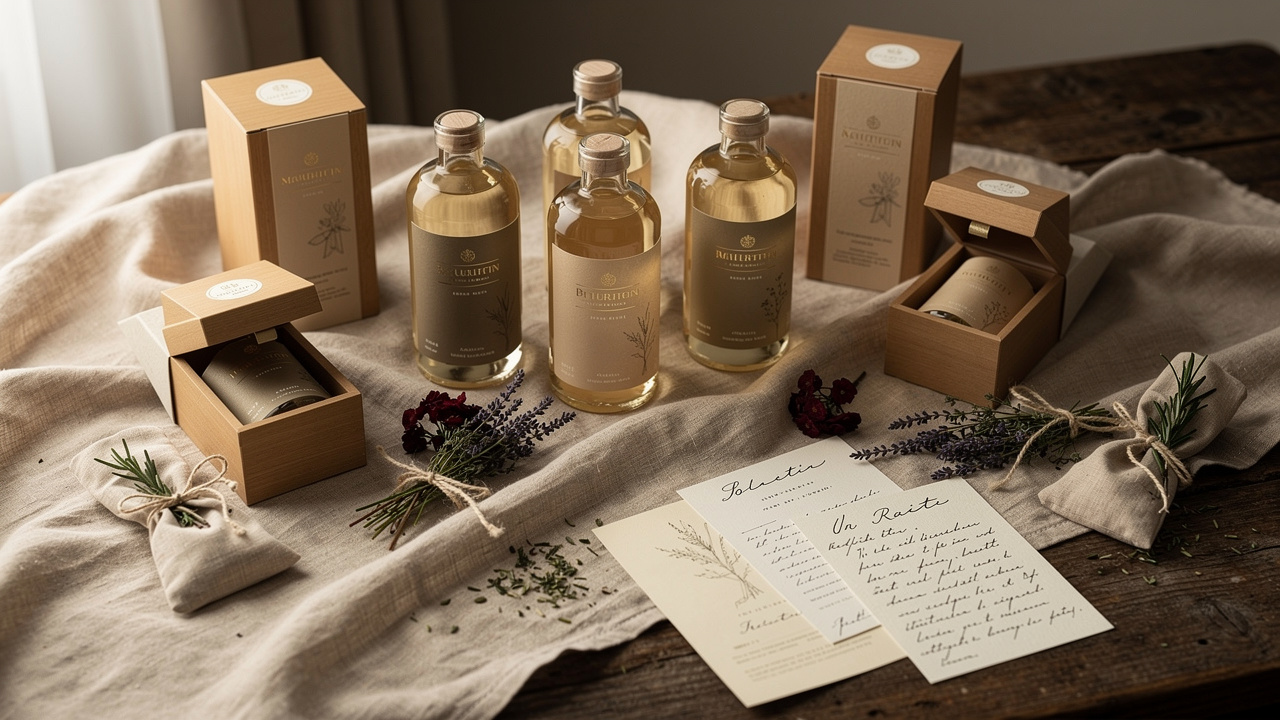
The Kumkumadi Tailam market already includes different types of players. Established premium houses such as Kama Ayurveda, Forest Essentials, or Kottakkal hold strong mind share and prime shelf space. Digital-first Ayurvedic brands move quickly online with sharp content and influencer ties. Mass brands launch saffron-based facial oils at lower price points, speaking to the middle market. Local producers supply unbranded or semi-branded oils through small shops and social media.
For a new entrant, price competition is rarely a smart path. Instead, the business opportunity behind Kumkumadi Tailam lies in sharp positioning and visible proof of quality. One way is hyper-authenticity, where you show exactly how the oil is made, which classical text it follows, and how each batch is tested. Sharing QR codes that open lab reports, short process videos, and farm photos builds strong trust with both doctors and end users.
Another strong path is practitioner-grade branding. Here the product communicates higher concentration of actives, classical proportions, and clinic-level quality. It might be sold only through registered practitioners or backed strongly by them. You can also carve focused niches such as bridal glow kits, anti-pigmentation specialists, or premium gift sets that carry a strong story and packaging experience.
Pricing then becomes part of the message rather than a random number. For a thirty milliliter bottle, ranges between ₹1,800 and ₹2,500 signal a premium yet accessible segment. Going too low suggests compromise on herbs or process, while going too high needs extra proof such as clinical data or very rich packaging. When you partner with a manufacturer like Sampurna-Jeevan, you also gain a quieter but strong edge, since their GMP and FDA-compliant, small-batch approach helps your brand promise stay consistent as you scale.
Financial Viability: Investment Requirements And Profit Potential

Good intent and strong Ayurveda are important, but every founder still has to ask whether the numbers make sense. This is where the business opportunity behind Kumkumadi Tailam stands out compared with many other wellness products, because premium pricing and small pack size create healthy unit economics when managed correctly.
In broad terms, you can think of three investment levels:
- White-Label Or Private Label (Approx. ₹2–5 Lakh)
At the lowest investment tier, a white-label entry can begin with around two to five lakh rupees. Here you select a ready classical Kumkumadi Tailam from a partner such as Sampurna-Jeevan, apply your brand identity, and place a modest first order. - Contract Manufacturing With Customization (Approx. ₹5–15 Lakh)
A second tier uses contract manufacturing with a custom or modified formula. That usually sits in the five to fifteen lakh range, covering formulation work, higher minimum batch quantities, branding, and a basic e-commerce setup. - Own GMP Facility (₹50 Lakh And Above)
Building your own GMP facility belongs to a different scale, usually starting near fifty lakh and rising to a few crores once land, machines, staff, and licensing are counted.
For a typical thirty milliliter bottle made to good standards, manufacturing may cost three to five hundred rupees, with another fifty to one hundred for premium glass packaging, labels, and cartons. If you price at two thousand to two thousand five hundred, your gross margin stays strong. In a direct-to-consumer model, a large part of that spread is available to cover marketing and overheads. In retail, trade margins reduce your share but also increase volume.
Simple break even thinking helps. If you invest around five lakh rupees in a direct-to-consumer brand and clear about four to six hundred units in the first year, you can usually reach cash break even, especially if repeat orders grow. Later, adding related products around the same hero oil and offering smart subscriptions for regular users can smooth revenue. Some Ayurvedic beauty brands have already drawn interest from larger FMCG buyers, showing that a carefully built Kumkumadi Tailam line can become not just a source of cash flow but also a real asset.
Building Brand Equity: Marketing And Customer Acquisition
Even the best Kumkumadi Tailam will not move if nobody hears about it or understands why it is different. Smart, consistent marketing is what turns a classical oil into a modern hero product and turns the business opportunity behind Kumkumadi Tailam into steady sales. This does not always need massive budgets, but it does need clear thinking.
An old copywriting rule says, “Show, don’t tell.” That is especially true for skincare.
Four practical marketing levers work especially well for this category:
- Content Marketing
Articles that explain how to spot authentic Kumkumadi, how the classical herbs work, or how to use the oil correctly help your site rank on search engines and answer real doubts. An eighth-grade reading level with simple diagrams or photos often works better than heavy technical language. These pieces live for years and keep sending interested visitors to your product pages. - Social Media Storytelling
Social media adds daily life to the brand. Instagram is especially important for skincare. Short videos of the texture, night ritual routines, and user testimonials keep your feed helpful instead of sales-heavy. YouTube can host longer explanations with Ayurvedic doctors, clinic partners, or even short tours of manufacturing areas, recorded in a way that protects trade secrets but still shows care and cleanliness. - Influencer And Practitioner Partnerships
Influencer marketing, when handled with care, can pay back well. Micro-influencers in the ten to one hundred thousand follower range often give better engagement per rupee than mega accounts. A three month honest trial where they show their skin every week feels more real than one glossy post. Ayurvedic practitioners who already speak on social media are powerful partners here, since they bring both reach and clinical weight. - Paid Ads With Careful Tracking
Paid ads on Google and Facebook or Instagram can then amplify what is already working. Start small, watch which keywords or audiences convert, and slowly add more spend around those pockets instead of guessing. Through all this, keep repeating the same core brand story. When that story includes a strong manufacturing ally such as Sampurna-Jeevan, you can confidently say that your Kumkumadi Tailam respects classical Ayurveda while meeting modern testing and quality needs.
Frequently Asked Questions (FAQs)
What Is The Minimum Investment Required To Start A Kumkumadi Tailam Business
The minimum investment depends on how deep you want to go into manufacturing. With a white label or private label model, you can usually begin with two to five lakh rupees for initial stock, branding, and basic marketing. Working with a partner such as Sampurna-Jeevan lowers risk, because you avoid heavy plant setup and can test demand first.
How Long Does It Take To Get AYUSH Licensing For Manufacturing
If you plan to build your own unit, AYUSH licensing often takes four to eight months from application to approval, depending on your state and how quickly you complete inspections and paperwork. This is why many founders start with an AYUSH-licensed contract manufacturer. Their existing approvals cover production, so you can go from idea to finished Kumkumadi Tailam in roughly two to three months.
Can BAMS Practitioners Launch Their Own Branded Kumkumadi Line Without A Manufacturing Facility
Yes, many BAMS practitioners already run their own brands without owning plants. They work with contract or private label manufacturers, share their preferred classical reference or modifications, and receive finished Kumkumadi Tailam labeled under their clinic or brand name. Sampurna-Jeevan works closely with such practitioners, turning clinical experience into custom or classical products while handling all production and quality control stages.
What Are The Biggest Challenges In The Kumkumadi Tailam Business
The main challenges sit around herbs, quality, and standing out from the crowd. Saffron prices can change sharply, and adulteration is common, so long-term supplier ties or a trustworthy manufacturer are vital. Keeping every batch consistent demands strict GMP practice and regular lab checks. Market noise then makes it hard for new brands to be noticed, which is why clear sourcing stories, some scientific support, and strong educational content matter so much.
Conclusion
Kumkumadi Tailam sits at a powerful meeting point of trends that matter right now. Ayurveda is gaining new respect from both patients and global buyers. Clean, ingredient-focused beauty keeps growing. Premium skincare buyers are ready to pay for serious products rather than impulse buys. Within this space, the business opportunity behind Kumkumadi Tailam is both emotionally rich and financially sound when handled with care.
The window is open but not endless. Demand is rising quickly, and while shelves already show many bottles, the field is far from saturated with truly authentic, well-tested, and well-positioned brands. Success here depends on a few non-negotiables: clear classical grounding, careful manufacturing, honest communication, and smart customer acquisition rather than short-term tricks.
For most doctors, wellness founders, and retail owners, building a full GMP facility is not the best first move. Partnering with an experienced manufacturer such as Sampurna-Jeevan offers a more balanced path. With more than two hundred thirty seven approved formulations, real depth in classical preparation methods, and complete in-house control from herb sourcing to packing, Sampurna-Jeevan allows you to focus on brand, education, and service while your Kumkumadi Tailam stays consistent and safe.
Stepping into this segment means more than launching another face oil. It means carrying forward a thousand-year stream of Ayurvedic skin care in a form that fits modern shelves and screens. The next step could be as simple as mapping your target audience, running a basic financial plan, and speaking with a manufacturing partner. The opportunity is real, and for the right founder, very much within reach.